
Choosing the Right Aspect Ratio for Your Cropped Images
When it comes to editing photos, one of the most common tasks is cropping an image. Whether you're removing unwanted elements or focusing on a specific subject, cropping can significantly enhance the overall composition. However, choosing the right aspect ratio for your cropped images can make a big difference in how they are perceived by viewers.
The aspect ratio refers to the proportional relationship between the width and height of an image. It determines the shape and size of the cropped area, ultimately affecting the visual impact. Understanding the various aspect ratios available will help you make more informed decisions when editing your images.
For instance, if you plan to showcase your photos on social media platforms like Instagram, it's crucial to consider the aspect ratio that works best for the platform. Instagram recommends a square aspect ratio of 1:1, which is ideal for most images. However, there may be instances where a different aspect ratio, such as 4:5 or 16:9, can complement the content better.
Similarly, when cropping images for print, the aspect ratio plays a vital role. Different print sizes and mediums demand specific aspect ratios to ensure the desired outcome. Hence, you must consider the final destination of your cropped image and select the aspect ratio accordingly.
Ultimately, choosing the right aspect ratio for your cropped images is a subjective decision that depends on the intention, composition, and platform or medium you're targeting. Take some time to experiment and review the various options available, considering the keywords "crop image," to find the perfect balance that enhances the visual aesthetics of your photos. Remember, the right aspect ratio can make a significant difference in creating a captivating and visually appealing image.
To explore the power of Crop Image integration in web apps, check out Crop Image Web template.
Enhance your map searching experience with custom markers.

In today's digital age, maps have become an integral part of our lives. Whether we are searching for a specific location, planning a trip, or navigating through unfamiliar territory, maps provide us with the necessary information to get from point A to point B. However, maps are not just limited to basic navigation. They have evolved to offer a wide range of features and functionalities, one of which is custom marker integration.
The Importance of Custom Markers in Map Applications
Custom markers play a crucial role in enhancing the user experience of map applications. Traditionally, maps have used generic markers to indicate points of interest or locations. However, with the introduction of custom markers, users can now add their own icons, images, or personalized symbols to mark specific locations on the map. This not only makes the map more visually appealing but also helps users easily identify and remember important places.
Custom markers also provide businesses with a unique opportunity to promote their brand and stand out from the competition. By incorporating their own logos or branded icons as custom markers, businesses can increase brand visibility and establish a stronger presence on the map. This can be especially beneficial for businesses operating in highly competitive markets or those targeting specific geographical areas.
Benefits of Using Map Applications with Custom Marker Integration
Using map applications with custom marker integration offers several advantages for both individuals and businesses. Firstly, it allows users to create personalized maps that reflect their interests, preferences, and specific needs. Whether it's marking favorite restaurants, highlighting tourist attractions, or mapping out hiking trails, custom marker integration enables users to customize their maps according to their requirements.
For businesses, custom marker integration can significantly enhance their marketing efforts. By incorporating custom markers with their branding elements, businesses can create a visually appealing map that not only provides location information but also promotes their products or services. This can help drive foot traffic to physical stores, increase online visibility, and ultimately boost sales.
In addition to personalization and marketing benefits, custom marker integration also improves the overall user experience. Custom markers make it easier for users to navigate and find specific locations on the map. They provide a visual reference point that helps users quickly identify places of interest, such as hotels, restaurants, or landmarks. This saves users time and frustration, making their map experience more efficient and enjoyable.
In conclusion, map applications with custom marker integration offer a wide range of benefits for both individuals and businesses. They allow users to personalize their maps, enhance their marketing efforts, and improve the overall user experience.
To explore the power of custom marker integration in map applications, check out Map Custom Markers FlutterFlow V8.
Why choose custom markers in map applications
.jpg?1714302378047)
Custom markers allow users to personalize their maps and make them more interactive. In this article, we will explore the importance of custom markers in map applications, the benefits of using map applications with custom marker integration, and the top five map applications that offer this feature.
Case Studies of Businesses Using Custom Markers in Map Applications
To further illustrate the practical applications of custom markers in map applications, let's take a look at a few case studies:
Case Study 1: Restaurant Chain
A restaurant chain uses a map application with custom marker integration to showcase its various locations. Each custom marker represents a different restaurant, with the marker icon reflecting the restaurant's cuisine. By using custom markers, the restaurant chain not only provides location information but also reinforces its brand identity and attracts customers with visually appealing markers.
Case Study 2: Travel Agency
A travel agency utilizes a map application with custom marker integration to highlight popular tourist destinations. Each custom marker represents a different destination, with the marker image showcasing a famous landmark or attraction. This helps the travel agency provide a visual representation of the destinations they offer and entices potential customers to explore further.
Case Study 3: Real Estate Agency
A real estate agency incorporates a map application with custom marker integration to display available properties. Each custom marker represents a property for sale or rent, with the marker icon indicating property type (house, apartment, etc.). By using custom markers, the real estate agency provides an interactive map that allows users to easily navigate and explore properties in their desired locations.
These case studies demonstrate how businesses can leverage custom markers in map applications to enhance their marketing efforts, provide valuable information to customers, and create visually appealing maps that stand out from the competition.
Tips and Best Practices for Using Map Applications with Custom Marker Integration
To make the most out of map applications with custom marker integration, consider the following tips and best practices:
- Choose custom markers that align with your brand identity and target audience.
- Keep the markers visually appealing but not overwhelming to ensure a good user experience.
- Use labels or descriptions to provide additional information about the markers.
- Regularly update and maintain the markers to ensure accuracy and relevancy.
- Test the map application on different devices and browsers to ensure compatibility and responsiveness.
- Optimize the map application for search engines by providing relevant metadata and keywords.
- Encourage user interaction by allowing users to add their own custom markers or comments.
By following these tips and best practices, you can maximize the benefits of using map applications with custom marker integration and provide an exceptional user experience.
Future Trends in Map Applications and Custom Marker Integration
As technology continues to advance, we can expect to see further advancements in map applications and custom marker integration. Some potential future trends include:
- Augmented reality (AR) integration, allowing users to see custom markers in real-time through their device's camera.
- Personalized recommendations based on user preferences and historical data.
- Integration with Internet of Things (IoT) devices, enabling real-time tracking and interaction with custom markers.
- Enhanced data visualization and analytics capabilities, providing businesses with valuable insights and trends.
These trends have the potential to revolutionize the way we navigate and interact with maps, further enhancing the power of custom marker integration.
In conclusion, by following the tips and best practices, businesses can make the most out of these applications and create visually appealing and informative maps. As technology continues to advance, we can expect to see further advancements in map applications and custom marker integration, opening up new possibilities and opportunities for users and businesses alike.
To explore the power of custom marker integration in map applications, check out Map Custom Markers FlutterFlow V7.
Unlocking the Power of Custom Calendar Features in Your App: Elevate Your User Experience
.jpg?1714302408644)
In today's fast-paced world, staying organized is crucial. Whether it's managing personal appointments or keeping track of important events, having a reliable calendar app on your smartphone is essential. However, not all calendar apps are created equal. Custom calendar features can take your app to the next level, providing users with a seamless and intuitive experience. By integrating custom calendar features into your app, you can unlock a whole new level of functionality and convenience for your users.
Custom calendar features allow users to personalize their calendars according to their specific needs. From color coding events to setting reminders and notifications, these features provide users with flexibility and control over their schedules. Additionally, custom calendar features enable users to sync their calendars across multiple devices, ensuring that they never miss an important event or appointment.
Benefits of integrating custom calendar features in your app
Integrating custom calendar features in your app offers numerous benefits for both you, as the app developer, and your users. For users, having a customizable calendar allows them to tailor the app to their individual preferences and needs. They can choose their preferred layout, color scheme, and view options, making the calendar app feel truly personalized.
Additionally, custom calendar features enhance the user experience by providing advanced functionality. Users can easily add new events, set reminders, and even invite others to events directly from the app. These features streamline the process of managing schedules and ensure that users stay organized and on top of their commitments.
From a developer's perspective, integrating custom calendar features can differentiate your app from the competition. With a wide range of calendar apps available in the market, offering unique and customizable features can attract more users and increase user engagement. This, in turn, can lead to higher ratings and positive reviews, further boosting the visibility and success of your app.
Types of custom calendar features
Custom calendar features can vary depending on the app and its target audience. Here are some popular types of custom calendar features that you can consider integrating into your app:
1. Color Coding: Allow users to assign different colors to different types of events or categories, making it easier to visualize their schedule at a glance.
2. Reminders and Notifications: Enable users to set reminders for upcoming events and receive notifications to ensure they never miss an important appointment.
3. Sync Across Devices: Allow users to sync their calendars across multiple devices, ensuring that they have access to their schedule wherever they are.
4. Sharing and Collaboration: Enable users to invite others to events and share their calendars with family, friends, or colleagues, facilitating collaboration and coordination.
5. Advanced Views and Filters: Provide users with multiple views and filtering options, such as day, week, or month view, to customize their calendar display according to their preferences.
By incorporating these features into your app, you can offer a comprehensive and personalized calendar solution that caters to the diverse needs of your users.
How custom calendar features enhance user experience
Custom calendar features play a crucial role in enhancing the user experience of your app. By providing users with a personalized and intuitive interface, you can ensure that they have a seamless and enjoyable experience while using your app.
One way custom calendar features enhance the user experience is by making it easier for users to organize and manage their schedules. With color coding, users can quickly identify different types of events and prioritize their time accordingly. Reminders and notifications ensure that users never forget important appointments, helping them stay on top of their commitments.
Moreover, custom calendar features enhance the overall aesthetics of your app. By allowing users to choose their preferred layout, color scheme, and view options, you can create a visually appealing and user-friendly interface. This not only makes your app more enjoyable to use but also reflects positively on your brand and app reputation.
Furthermore, custom calendar features enable users to seamlessly collaborate and share their schedules with others. Whether it's planning a family vacation or coordinating team meetings, the ability to invite others to events and share calendars simplifies the process and fosters effective communication and collaboration.
In summary, custom calendar features enhance the user experience by providing advanced functionality, personalization options, and seamless collaboration capabilities.
In conclusion, custom calendar features have the power to elevate the user experience of your app significantly. By providing users with personalization options, advanced functionality, and seamless collaboration capabilities, you can create a calendar app that stands out from the competition.
Remember to consider your users' needs and preferences, seamlessly integrate the custom calendar features into your app, and follow best practices for design and development. Leverage the tools and resources available to simplify the development process and learn from successful apps that have already implemented custom calendar features effectively.
Ready to take your app to the next level with custom calendar features? Check out Custom Calendar FlutterFlow V8 and start building your app today!
Practical Calendar Features
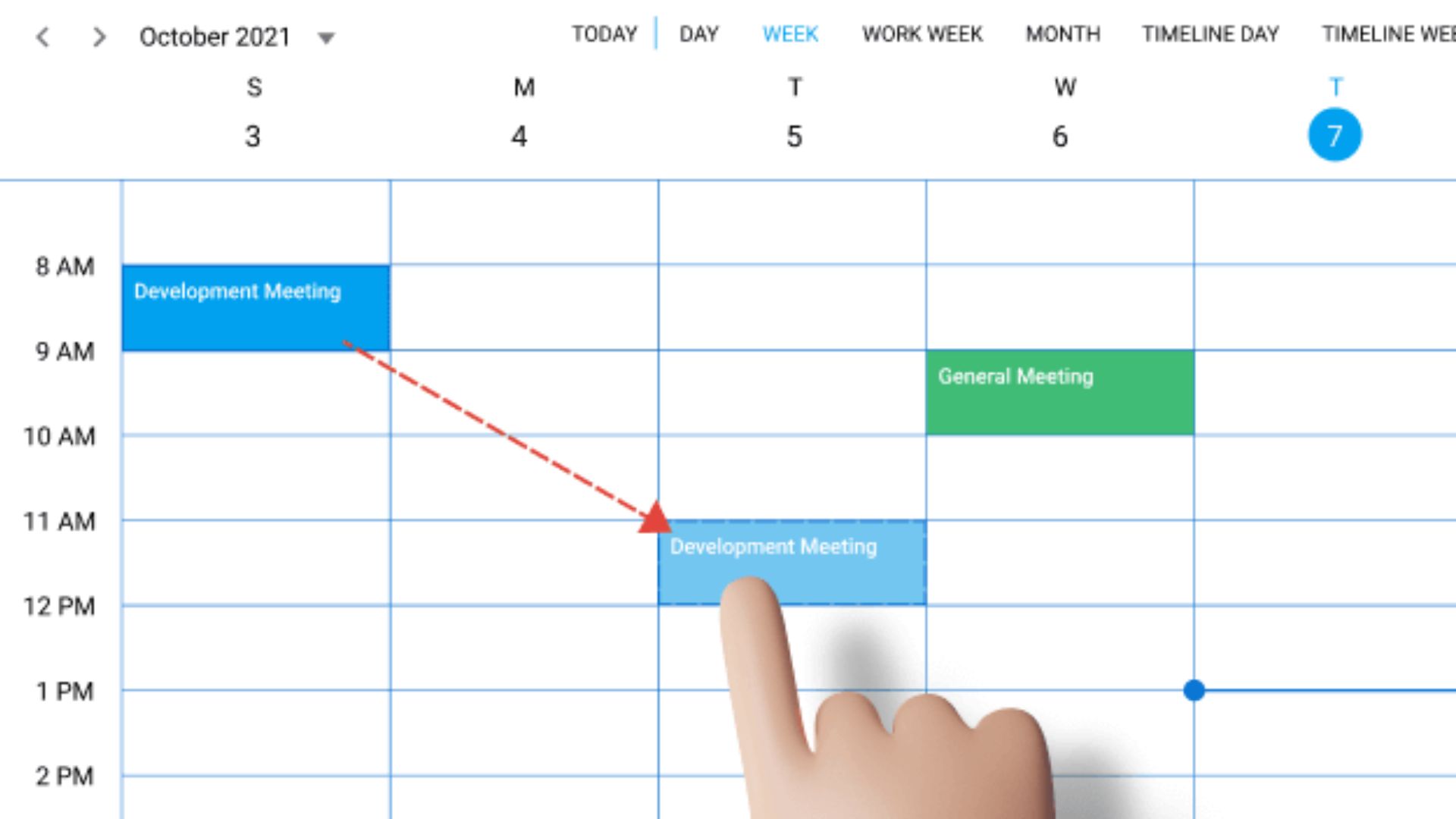
Several popular apps have successfully integrated custom calendar features, elevating the user experience and setting them apart from the competition. Let's take a look at some of these apps:
1. Google Calendar: Google Calendar is one of the most widely used calendar apps, offering a range of custom calendar features. From color coding events to allowing users to set reminders and notifications, Google Calendar provides a comprehensive and user-friendly calendar experience.
2. Fantastical: Fantastical is known for its intuitive and visually appealing calendar interface. It offers features like natural language input, which allows users to add events using everyday language. Fantastical also supports multiple calendar views and provides advanced filtering options.
3. Microsoft Outlook: Outlook is not only an email client but also a powerful calendar app. It allows users to sync their calendars across devices, share calendars with others, and even view their colleagues' availability for scheduling meetings. Outlook's custom calendar features make it a popular choice among professionals.
These apps demonstrate the power and versatility of custom calendar features in enhancing the user experience. By studying and learning from these successful examples, you can gain insights into how to implement custom calendar features effectively in your own app.
Considerations for implementing custom calendar features in your app
Before diving into implementing custom calendar features in your app, there are several considerations you should keep in mind:
1. User Needs and Preferences: Understand your target audience and their specific needs and preferences when it comes to calendar apps. Conduct user research and gather feedback to ensure that the custom calendar features you implement align with their expectations.
2. Seamless Integration: Ensure that the custom calendar features seamlessly integrate with the overall design and functionality of your app. The calendar should feel like a natural extension of your app, rather than a separate component.
3. Performance and Reliability: Test the performance and reliability of your custom calendar features thoroughly. A slow or buggy calendar can frustrate users and negatively impact their experience with your app. Make sure that the calendar functions smoothly and responds quickly to user interactions.
4. Scalability: Consider the scalability of your custom calendar features. As your user base grows, your app should be able to handle an increasing number of events and users without compromising performance or user experience.
By taking these considerations into account, you can ensure that the custom calendar features in your app meet the needs of your users and provide a seamless and reliable experience.
Best practices for designing and developing custom calendar features
Designing and developing custom calendar features requires careful planning and execution. Here are some best practices to keep in mind:
1. User-Centric Design: Put the user at the center of your design process. Understand their goals, pain points, and workflows to create a calendar interface that is intuitive and easy to use. Conduct user testing and iterate on your design based on user feedback.
2. Minimalist Interface: Keep the calendar interface clean and clutter-free. Avoid overwhelming users with too many options or excessive information. Focus on the essential features and provide intuitive ways for users to access additional functionality when needed.
3. Clear and Consistent Visuals: Use clear and consistent visual cues to help users understand different features and actions in the calendar. Consistency in color coding, icons, and typography will make it easier for users to navigate and interact with the calendar.
4. Seamless Navigation: Ensure that users can navigate through different views and time periods effortlessly. Provide intuitive gestures or navigation controls to switch between day, week, or month views. Users should be able to quickly jump to specific dates or events with ease.
5. Robust Backend Infrastructure: Build a robust backend infrastructure to handle the storage and retrieval of calendar data. Ensure that the calendar syncs seamlessly across devices and that changes made on one device are reflected on all other devices.
By following these best practices, you can create a custom calendar feature that is both visually appealing and user-friendly, enhancing the overall user experience of your app.
Tools and resources for creating custom calendar features
Creating custom calendar features can be made easier with the help of various tools and resources. Here are some recommended tools to consider:
1. FlutterFlow: FlutterFlow is a powerful visual development platform that allows you to create custom calendar features using a visual interface. It provides a range of pre-built components and templates that can accelerate your development process.
2. Google Calendar API: If you want to integrate Google Calendar functionality into your app, the Google Calendar API provides the necessary tools and documentation to get started. It allows you to access, create, and modify calendar events programmatically.
3. FullCalendar: FullCalendar is a JavaScript library that provides a customizable calendar solution. It offers various features like drag-and-drop event creation, multiple views, and advanced date formatting options.
4. Syncfusion Essential Studio: Syncfusion Essential Studio is a comprehensive UI component library that includes a feature-rich calendar control. It provides a wide range of customization options and supports multiple platforms and frameworks.
These tools and resources can streamline the development process and help you create custom calendar features that are robust, visually appealing, and user-friendly.
Case studies: Successful apps using custom calendar features
To further illustrate the impact of custom calendar features, let's explore a couple of case studies of successful apps that have leveraged these features effectively:
1. Calendly: Calendly is a scheduling tool that allows users to easily book appointments and meetings. The app offers custom calendar features like availability management, time zone detection, and integration with popular calendar platforms. These features simplify the scheduling process for both individuals and teams, making Calendly a popular choice among professionals.
2. Todoist: Todoist is a task management app that incorporates custom calendar features to help users stay organized. Users can set due dates for their tasks, which are then automatically added to their calendar. This integration allows users to see their tasks and appointments in one place, making it easier to prioritize and manage their time effectively.
These case studies demonstrate how custom calendar features can add value and enhance the functionality of different types of apps. By implementing similar features in your own app, you can provide users with a seamless and integrated experience.
Conclusion: Unlocking the power of custom calendar features in your app
By unlocking the power of custom calendar features in your app, you can create a valuable tool for users to manage their schedules, stay organized, and improve their overall productivity. Elevate your user experience with custom calendar features and make your app an essential part of your users' daily lives.
Ready to take your app to the next level with custom calendar features? Check out Custom Calendar FlutterFlow V8 and start building your app today!
The Ultimate Guide to Integrating the Print Page to PDF Feature in Your App: Simplify Document Sharing
.jpg?1714302464369)
In today's digital age, document sharing plays a crucial role in our personal and professional lives. Whether it's sharing a resume, a presentation, or an important contract, we need a reliable and efficient way to share documents across different platforms. This is where the print page to PDF feature comes in handy. By integrating this feature into your app, you can simplify document sharing and ensure that your users can easily convert any page into a PDF format.
Benefits of integrating the print page to PDF feature
Integrating the print page to PDF feature into your app offers numerous benefits for both you and your users. First and foremost, it provides a seamless and convenient way for users to convert any page into a PDF document. This means that they can easily share the document with others, regardless of the device or platform they are using. Additionally, the print page to PDF feature ensures that the document's formatting and layout remain intact, preserving the original look and feel of the content.
Moreover, integrating this feature adds value to your app by making it more versatile and user-friendly. Users can now generate PDFs directly from your app without the need for any third-party tools or applications. This streamlines the document sharing process and enhances the overall user experience. With the print page to PDF feature, your app becomes a one-stop solution for all document-related needs.
How the print page to PDF feature works
The print page to PDF feature works by capturing the content of a page and converting it into a PDF document. When a user selects the print page to PDF option, the app initiates a process that takes a snapshot of the page's content, including images, text, and formatting. This snapshot is then converted into a PDF file, which can be saved or shared by the user.
Under the hood, the print page to PDF feature utilizes a combination of technologies, including print rendering engines, PDF generation libraries, and device-specific APIs. These technologies work together to ensure that the resulting PDF document is accurate, high-quality, and compatible with various platforms and devices.
Popular apps that offer the print page to PDF feature
Several popular apps already offer the print page to PDF feature, making it a sought-after functionality for users. One such app is Adobe Acrobat, a leading PDF editor and viewer that allows users to convert any page into a PDF format. Another notable app is Microsoft Word, which enables users to save their documents as PDFs directly from the application.
Google Chrome, a widely used web browser, also provides the print page to PDF feature as a built-in option. Users can simply select the "Print" option and choose the "Save as PDF" destination to generate a PDF version of the current page. These apps demonstrate the versatility and demand for the print page to PDF feature across different domains.
Step-by-step guide to integrating the print page to PDF feature in your app
Integrating the print page to PDF feature into your app may seem like a daunting task, but with the right approach, it can be a straightforward process. Follow these step-by-step instructions to seamlessly add this feature to your app:
- Identify the target platform: Determine the platform(s) on which your app will be available, such as iOS, Android, or web.
- Choose a PDF generation library: Select a reliable PDF generation library that is compatible with your target platform(s). Some popular options include PDFKit for iOS, iText for Android, and jsPDF for web applications.
- Implement the print page functionality: Implement a print page functionality in your app that captures the content of the current page and prepares it for PDF conversion.
- Integrate the PDF generation library: Integrate the chosen PDF generation library into your app's codebase. Follow the library's documentation to ensure proper integration and usage.
- Convert the captured content to PDF: Utilize the PDF generation library to convert the captured page content into a PDF file. Make sure to handle any required configurations, such as page size, orientation, and compression settings.
- Save or share the generated PDF: Provide options for users to save the generated PDF to their device or share it through various channels, such as email, messaging apps, or cloud storage services.
By following these steps, you can successfully integrate the print page to PDF feature into your app and enhance its document sharing capabilities.
To sum up, integrating the print page to PDF feature into your app is a powerful way to simplify document sharing and enhance the user experience. By following the step-by-step guide, offering customization options, adhering to best practices, and addressing common issues, you can successfully implement this feature and provide your users with a seamless document sharing solution.
Customization options for the print page to PDF feature
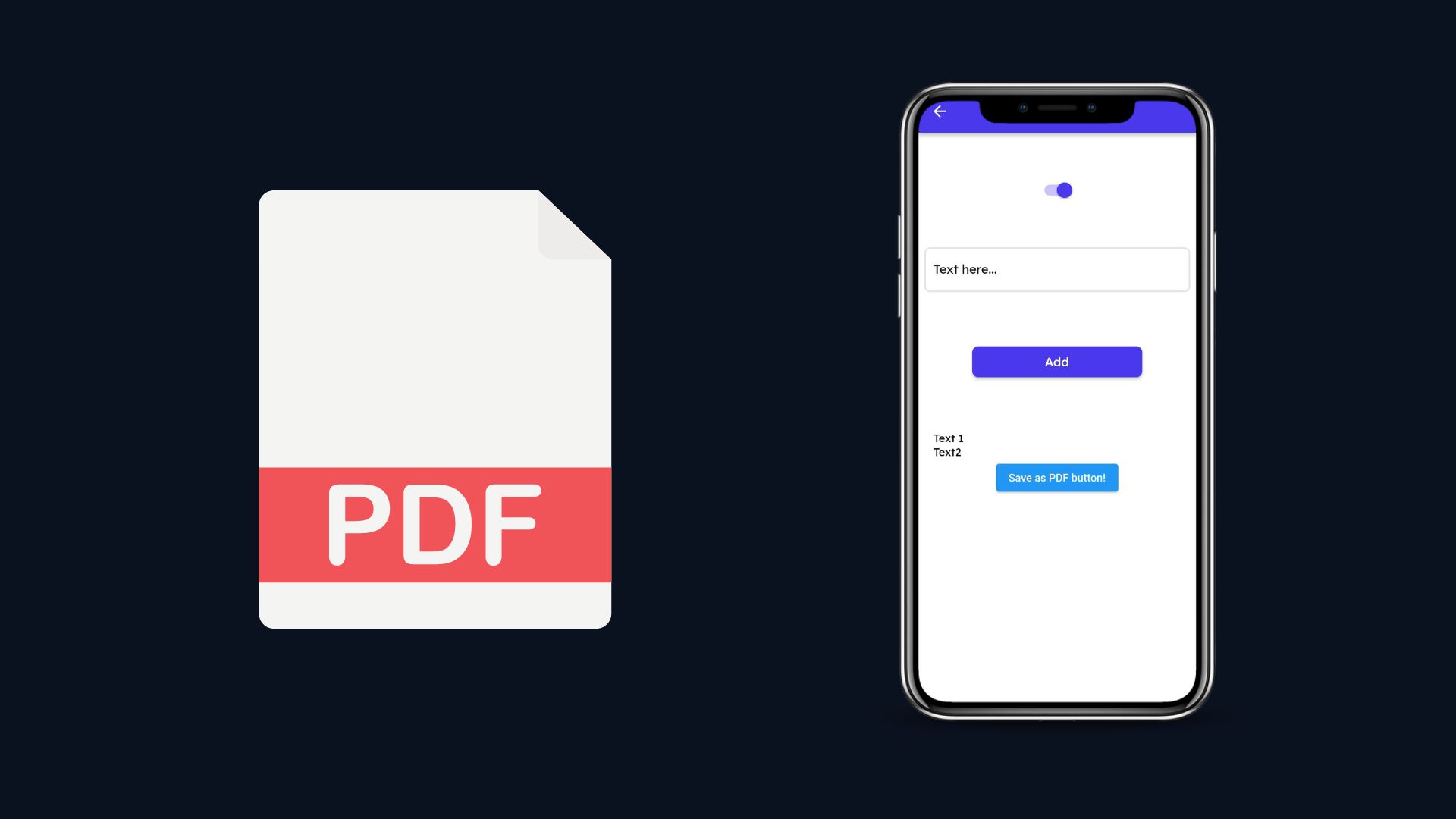
To make the print page to PDF feature truly stand out in your app, consider offering customization options that allow users to tailor the PDF document according to their preferences. Some possible customization options include:
- Page layout: Provide options for users to choose between portrait or landscape orientation, as well as different paper sizes.
- Header and footer: Allow users to add custom headers and footers to the PDF document, such as page numbers, document titles, or company logos.
- Watermarks: Enable users to add watermarks to the PDF document for branding or copyright purposes.
- Compression settings: Give users the ability to adjust the compression settings to balance file size and image quality.
By offering these customization options, you empower users to create PDF documents that align with their specific needs and preferences.
Best practices for implementing the print page to PDF feature
Implementing the print page to PDF feature in your app requires careful consideration and adherence to best practices. Here are some tips to ensure a smooth integration process:
- Test across different platforms: Test the print page to PDF feature across different platforms and devices to ensure compatibility and consistent behavior.
- Optimize performance: Optimize the PDF generation process to minimize resource usage and reduce processing time, especially for larger or more complex pages.
- Handle errors gracefully: Implement proper error handling to provide informative error messages and gracefully handle any issues that may arise during the PDF generation process.
- Consider accessibility: Ensure that the print page to PDF feature is accessible to users with disabilities by adhering to accessibility guidelines and standards.
By following these best practices, you can ensure that the print page to PDF feature is implemented effectively and provides a seamless experience for your app's users.
Prevent troubleshooting common issues with the print page to PDF feature template created by Blupry.
While integrating the print page to PDF feature into your app, you may encounter some common issues. Here are a few troubleshooting tips to help you resolve these issues:
- Blank or incomplete PDF: If the generated PDF is blank or incomplete, check if the page content is being captured correctly. Ensure that all required assets, such as images and fonts, are accessible during the PDF generation process.
- Formatting issues: If the generated PDF has formatting issues, review the CSS styles applied to the page content. Make sure that the styles are compatible with the PDF generation library and adjust them if necessary.
- Performance problems: If the PDF generation process is slow or resource-intensive, optimize the code and consider asynchronous processing to improve performance.
- Compatibility issues: If the generated PDF is not compatible with certain platforms or devices, check the PDF generation library's documentation for platform-specific considerations and ensure that the library supports the required features.
By implementing the template, all these common issues will be resolved. You can ensure that the print page to PDF feature works seamlessly in your app and delivers the desired results by testing it clicking the “try out” button on Blupry site, or you can add extra custom features.
User feedback and success stories
The print page to PDF feature has been widely adopted by users, and their feedback and success stories demonstrate its value and effectiveness. Users appreciate the simplicity and convenience of generating PDF documents directly from their favorite apps, saving them time and effort.
Many users have reported that the print page to PDF feature has streamlined their document sharing process, allowing them to easily share important files with colleagues, clients, and friends. They also appreciate the ability to preserve the formatting and layout of the original content, ensuring that the PDF documents look professional and presentable.
Furthermore, businesses and organizations have benefited from integrating the print page to PDF feature into their apps. By offering this functionality, they have improved their document management processes and enhanced collaboration among team members. This has resulted in increased productivity and efficiency within their operations.
Conclusion: Simplify document sharing with the print page to PDF feature
The print page to PDF feature has already proven its value in popular apps, and user feedback and success stories further highlight its effectiveness. So, whether you're developing a productivity app, a collaboration tool, or any other app that deals with document sharing, consider integrating the print page to PDF feature and empower your users to easily convert any page into a PDF document. With this feature, you can take your app to the next level and simplify document sharing for your users.